
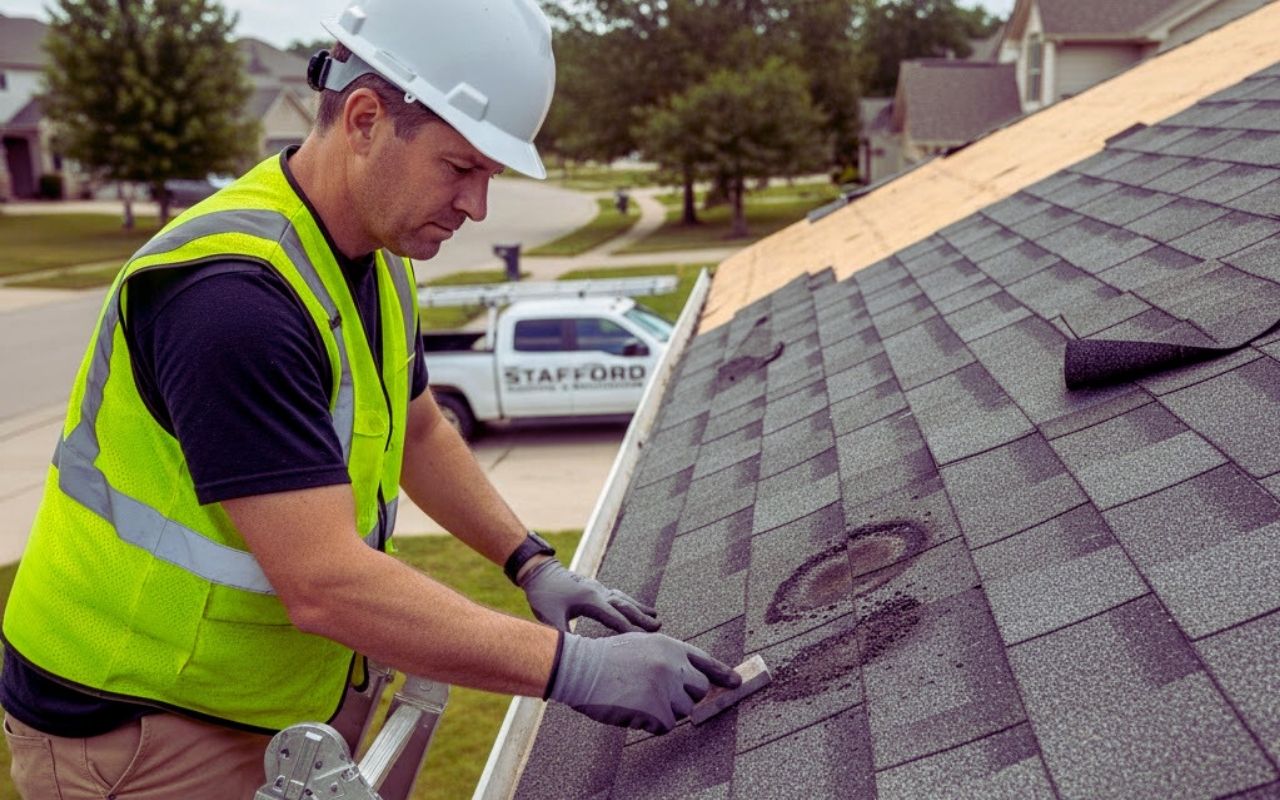
How do Hail vs Wind Roof Damage Signs differ?
Storms that pound your neighborhood with hail and high winds can quietly damage your roof, even when everything looks fine from the ground. Learning to spot Hail vs Wind Roof Damage Signs helps you act quickly, protect your home’s structure, and prepare strong insurance photos and claims before minor issues turn into expensive leaks and repairs after every major storm.
How do Hail vs Wind Roof Damage Signs differ?
Hail usually leaves circular dents, bruised shingles, and missing granules, while wind tears, lifts, or completely removes shingles in specific directions. Check for scattered pits after hail, and for loose, creased, or missing shingles after strong wind. Noting these patterns early supports safer inspections, better insurance photos, and faster, more accurate claims.
Identifying hail damage on your roof
Hail damage often hides behind small surface changes rather than dramatic holes or leaks. After a storm, start by checking the ground and your gutters for clues before anyone climbs a ladder.
- Dark or soft bruises on shingles that feel spongy when pressed with a gloved hand.
- Round dents in shingles, metal vents, flashing, or chimney caps.
- Shiny spots where protective granules have been knocked away.
- Loose granules collecting in gutters, downspouts, or at the base of the downspout.
- Cracked or split shingles clustered on the same roof slope.
When you see several of these issues in one area, you are likely looking at storm-related hail damage, not normal aging. Take clear overhead and close-up insurance photos from safe vantage points, and consider scheduling a licensed roofer to confirm the extent of impact. Never walk a steep or wet roof if you feel even slightly unsafe.
Common signs of wind damage on your roof
Wind damage usually affects the edges, ridges, and weaker sections of your roof first. Strong gusts can break the seal between shingles and deck, allowing rain to reach the underlayment or bare wood.
- Lifted, curled, or tented shingles that no longer lie flat.
- Missing shingles, especially along roof edges, eaves, and ridgelines.
- Creased shingles where wind has folded them back and forth.
- Debris impacts from branches or objects that have scratched or gouged the surface.
- Bent, loose, or missing flashing around chimneys, skylights, and vents.
From the yard, look for loose shingles on the ground or piled near the foundation. Inside, check the attic after storms for daylight, damp insulation, or water stains. Any exposed wood or visible nail lines should be treated as an urgent repair.
Key differences between hail and wind roof damage signs
Understanding Hail vs Wind Roof Damage Signs makes it easier to explain what happened to your insurer and roofer. Each type of storm leaves its own pattern, and those patterns help professionals decide whether repairs or replacement are needed.
In general, hail leaves scattered circular bruises and dents across wide areas, while wind creates directional patterns of damage: missing rows, lifted edges, and torn sections that align with the path of the gusts.
If you see dents on soft metals, siding, or window screens but most shingles are still in place, hail is the more likely culprit. Large bare patches of missing shingles or long creases along rows often point to wind instead.
Why prompt roof inspections matter after storms
Even a single lifted shingle can let water into your roof deck, insulation, and drywall. Over time, moisture can create rot, mildew, and interior stains that cost far more than early repairs. Small gaps today often become big, expensive leaks after the next storm.
Scheduling timely inspections and repairs helps you document hail damage and wind damage while it is fresh. In northern Virginia, that may mean arranging specialized roof repair in Prince William County, VA before the next season arrives. Following simple claim tips early also prevents disputes over when and how the damage occurred.
How to document roof damage for insurance
Thorough documentation gives your carrier clear evidence and can shorten the back-and-forth on your claim. Use these practical steps to create strong, storm-ready records that support your request for coverage.
- Stay safe first. Inspect from the ground, upper windows, or with a professional, and keep everyone away from loose wires or unstable roofing.
- Capture wide views first. Take exterior insurance photos that show entire roof slopes, landscaping, and any fallen limbs or debris.
- Photograph close-up details. Zoom in on bruised shingles, missing sections, bent flashing, and granules in gutters so adjusters can see specific impacts.
- Document interior clues. Look for new water spots on ceilings, damp insulation, or musty odors in the attic and living spaces.
- Keep a storm damage log. Write down dates, times, and what you observed during and after the storm, including conversations with contractors or your insurer.
- Organize and back up files. Store your notes, estimates, and images in labeled folders and a cloud backup so they stay easy to find during claim reviews.
- Coordinate with experts. You can contact Brothers Exterior Corp for a professional inspection and written estimate that supports your roof claim.
These steps turn your photos and notes into clear evidence, making it easier for your adjuster to understand what happened and approve fair repair or replacement work.
Frequently Asked Questions
Should I call my roofer or my insurance company first?
In many cases, it helps to speak with a trusted roofing contractor first so you understand the extent of damage before opening a claim. A documented inspection report and photos make your conversation with the insurer smoother. If there is active leaking or safety risk, call both right away and ask how to prevent further damage.
Can I file a roof insurance claim without climbing on the roof?
Yes. Many homeowners rely on photos taken from the ground, upper windows, or by a professional using ladders or drones. Providing clear insurance photos, written observations, and contractor reports is usually enough. Never climb a damaged roof if you lack the right safety gear or training.
When do Hail vs Wind Roof Damage Signs mean I need a new roof?
If bruises, punctures, or missing shingles cover large sections of your roof, or if leaks keep returning after spot repairs, full replacement may be more cost-effective. Ask a licensed roofer to compare repair and replacement estimates so you can decide whether to upgrade now or plan for a future project.
How many insurance photos should I take for a storm claim?
There is no strict number, but aim for a mix of wide and close-up shots for every affected side of the home. Capture exterior, interior, and yard debris views. Clear labeling and time stamps reinforce your claim tips and help the adjuster understand where each image fits in the overall story of the storm.
How can a local installer help with my storm damage claim in Virginia?
Local roofing specialists understand building codes, weather patterns, and what nearby insurers commonly require. They can inspect your home, document damage, and provide estimates that support your claim. Homeowners often pair inspections with future upgrades, such as roof installation in Prince William County, VA or roof installation in Spotsylvania County, VA, to improve long-term protection.
Ensuring your roof’s long-term integrity
By learning to recognize Hail vs Wind Roof Damage Signs, you can schedule inspections sooner, avoid surprise leaks, and keep your roof performing as your home’s first line of defense. Combine routine maintenance, photo documentation after major storms, and help from trusted local professionals to keep your coverage strong and your home ready for future severe weather.
References
For more background on how insurers evaluate roof losses, see How To Make A Home Insurance Claim For Roof Damage – Forbes Advisor.
To understand how hail claims affect homeowners and when filing makes sense, review Hail Damage Insurance Claims: Are They Worth the Hassle? – Kiplinger.