
How Can Cold Weather Roof Installation Protect Your Home?
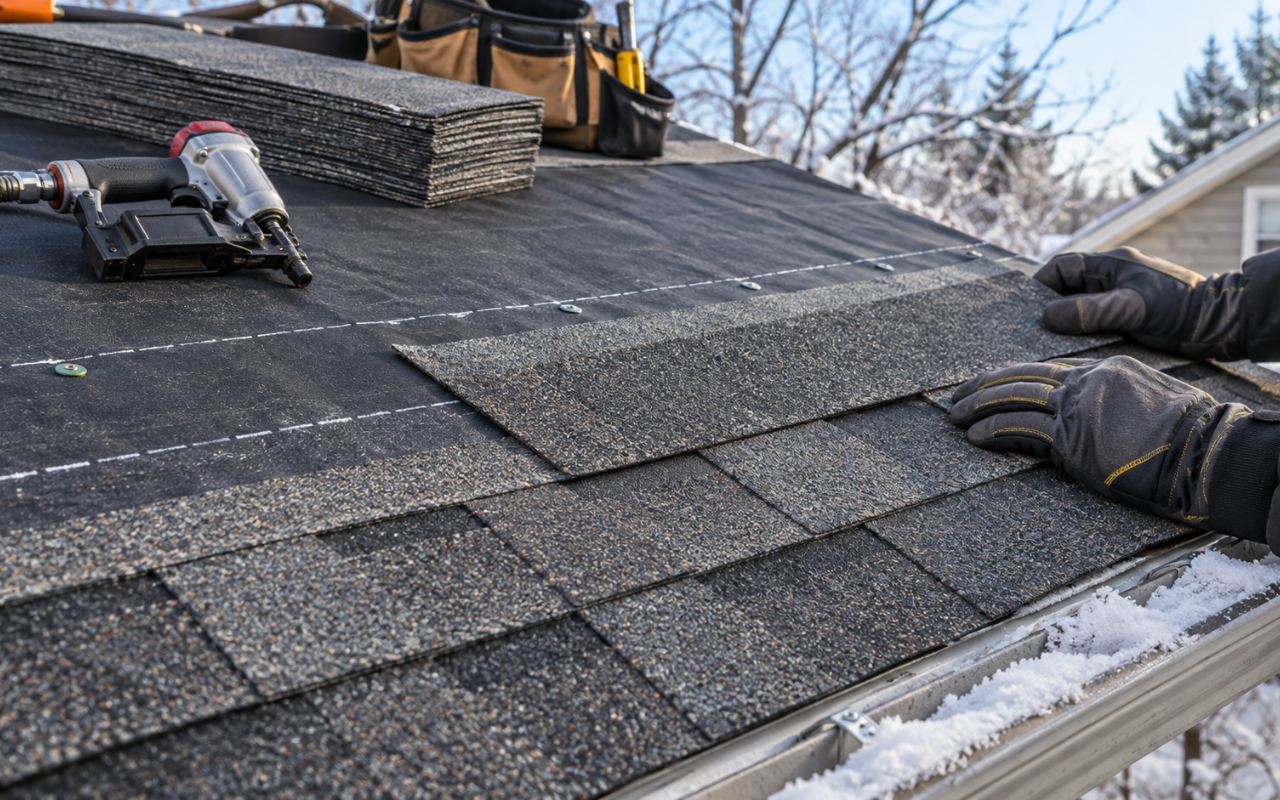
Cold weather roof installation protects your home when experienced roofers follow proper winter methods. These include checking temperatures, keeping materials flexible, preparing dry surfaces, and ensuring shingles seal correctly. Moreover, careful planning reduces the risk of cracks, leaks, and wind damage. With the right conditions, homeowners can replace aging roofs without waiting until spring.
Understand Winter Roofing Challenges Before Starting Your Home Project
Winter roofing requires extra attention because low temperatures affect both materials and working conditions. For example, asphalt shingles become less flexible as temperatures fall. Consequently, bending or handling them roughly can cause cracks.
Additionally, snow, frost, and strong winds can make roof surfaces dangerous. Therefore, checking the local forecast before scheduling installation is essential.
Before starting, consider these important factors:
- Temperature: Check the manufacturer’s approved installation range.
- Weather: Choose dry days with manageable wind conditions.
- Roof condition: Identify existing leaks, damaged decking, and weak areas.
- Safety: Confirm that working surfaces are free from ice and frost.
- Experience: Choose professionals familiar with winter roofing methods.
At Brothers Exterior Corp, we understand the seasonal challenges affecting homes throughout Stafford and nearby Virginia communities. Therefore, proper planning remains an important part of every roofing decision.
Choose Suitable Roofing Materials for Better Cold Weather Performance
Choosing suitable materials is essential because not every roofing product performs equally during winter. Therefore, material selection should always match the expected weather.
Homeowners often ask about the minimum temperature for shingles. However, there is no single temperature that applies to every product. Some manufacturers recommend installation around 40°F or warmer, while others provide different instructions.
Therefore, roofers must check the exact shingle requirements before beginning work.
Consider these materials when planning winter installation:
- Asphalt shingles: Select products approved for the expected temperatures.
- Underlayment: Use protective layers suitable for cold conditions.
- Flashing: Choose durable metal components for vulnerable roof openings.
- Fasteners: Follow the manufacturer’s approved nail type and placement.
- Sealants: Confirm that bonding products support low-temperature application.
Furthermore, proper storage matters. Keeping shingles warm before installation can help prevent cracking during handling.
For homeowners considering a roof installation project in Stafford, understanding material options makes winter decisions easier.
Prepare Every Roof Surface to Reduce Winter Installation Risks
A clean, dry surface is essential for reliable roofing results. Therefore, workers must address moisture, frost, and damaged materials before installation.
First, the roof should be checked for snow and ice. If unsafe conditions remain, installation should be postponed.
Next, professionals inspect the roof decking for weak or damaged wood. Any damaged sections must be repaired before installing protective layers.
Additionally, debris must be removed so materials rest evenly against the surface. Otherwise, trapped moisture and uneven areas can cause future problems.
At Brothers Exterior Corp, we believe careful preparation supports better results during every season. Moreover, a stable roof base helps protective materials perform as intended.
Apply Approved Adhesives to Improve Cold Weather Shingle Sealing
Shingle sealing becomes more difficult when temperatures remain low. This happens because many asphalt shingles contain factory-applied sealant activated by warmth.
Consequently, shingles may take longer to form a strong bond during winter. Until they seal, exposed roof areas may face greater wind-related risks.
Winter roofing adhesives can provide additional protection when approved by the shingle manufacturer. However, not every adhesive works safely in freezing conditions.
Therefore, professionals should check product instructions, storage requirements, and application temperatures before using any sealant.
Similarly, sealing shingles in cold weather may require careful hand-sealing. This involves placing approved roofing cement at specified points beneath individual shingles.
Nevertheless, workers must follow the manufacturer’s directions for placement and quantity. Excess adhesive or incorrect application can create new problems.
Follow Proven Installation Steps for Stronger Winter Roofing Results
A successful cold weather roof replacement depends on careful workmanship from beginning to end. Therefore, professional crews should follow a clear process.
How to Install Roofing Materials During Cold Weather
- Review the weather forecast and confirm safe working conditions.
- Inspect the existing roof and identify necessary repairs.
- Remove damaged materials and prepare clean, dry decking.
- Install approved protective layers and metal flashing.
- Keep shingles properly stored and handle them carefully.
- Fasten each shingle according to manufacturer instructions.
- Apply approved hand-sealing methods when required.
- Inspect completed sections before finishing the project.
Furthermore, workers should avoid bending cold shingles sharply around roof edges and ridges.
For homes requiring professional roofing services in Spotsylvania County, understanding these steps helps homeowners prepare for their projects.
Maintain Proper Attic Ventilation to Prevent Winter Moisture Problems
Roof installation involves more than shingles. In addition, attic ventilation plays an important role in managing moisture and temperature.
Warm indoor air can escape into attic spaces and heat the roof surface. Consequently, rooftop snow may melt and refreeze near colder edges.
This process can create ice dams, which prevent water from draining normally.
Therefore, proper insulation, air sealing, and ventilation help reduce these risks. Clear intake and exhaust vents also support steady airflow.
At Brothers Exterior Corp, we encourage homeowners to consider the complete roofing system instead of focusing only on visible shingles.
Prioritize Worker Safety to Avoid Dangerous Winter Roofing Conditions
Winter roof work creates additional safety concerns. For example, frost, icy ladders, and sudden wind changes increase the risk of falls.
Therefore, experienced professionals should evaluate conditions before accessing the roof.
Proper fall protection, secure ladders, and suitable clothing are important. Additionally, workers need clear communication and safe access around the property.
If weather conditions become dangerous, stopping work is the safer decision.
Choosing an experienced winter roofing contractor also helps homeowners understand these precautions. Moreover, professional crews can identify risks that may not be obvious from the ground.
If you are planning roofing work, discuss your winter roofing concerns with our team before choosing a schedule.
Inspect Your Finished Roof to Preserve Long-Term Protection
Winter roofing care continues after installation. Therefore, homeowners should watch for changes following strong winds, snowfall, and freezing temperatures.
Look for lifted shingles, damaged gutters, and unusual moisture inside the attic. However, complete these visual checks safely from the ground.
Additionally, monitor areas where snow collects or drainage becomes blocked. Professional inspections can identify problems before they cause significant interior damage.
At Brothers Exterior Corp, we value ongoing roof care because prevention supports long-term protection.
For additional regional information, explore our roofing installation services in Prince William County.
Trust Experienced Roofing Professionals for Confident Winter Home Protection
Cold weather roof installation requires patience, preparation, and suitable materials. However, winter does not automatically prevent a successful project.
At Brothers Exterior Corp, we focus on helping homeowners understand their roofing needs and available options. With careful weather planning and manufacturer-approved methods, winter projects can achieve dependable results.
Ultimately, the best installation decision depends on roof condition, material requirements, and worker safety.
Frequently Asked Questions
Can a new roof be installed during freezing temperatures?
Yes, some roofing systems can be installed during freezing conditions. However, manufacturer requirements and safe working conditions determine whether installation should proceed. For local project planning, explore our Stafford roof installation guidance.
What is the minimum temperature for installing asphalt shingles?
There is no universal minimum temperature for every asphalt shingle. Instead, installation requirements vary by manufacturer and product. Although 40°F is a common recommendation, specific instructions always take priority. Therefore, review our shingle roof replacement options in Stafford to learn more about materials and installation planning.
How do shingles seal properly during winter?
Shingles usually seal through warmth activating their factory-applied strips. However, approved hand-sealing may be necessary during cold conditions. Homeowners in Spotsylvania can review our local roof installation options for related services.
Should homeowners replace damaged roofs before spring arrives?
Sometimes, waiting can increase the risk of water damage. However, replacement should proceed only when weather and product requirements allow. Our Prince William County roofing information explains available installation services.
How can homeowners prepare for a winter roofing project?
Start by identifying visible roof problems and checking upcoming weather conditions. Next, discuss suitable materials and installation timing with a professional. At Brothers Exterior Corp, we welcome questions about your situation. You can share your roofing project details with our team.
References:
- Talking Asphalt: Cold Weather Roofing – Asphalt Magazine
- Preventing Roof Ice Dams – National Weather Service