
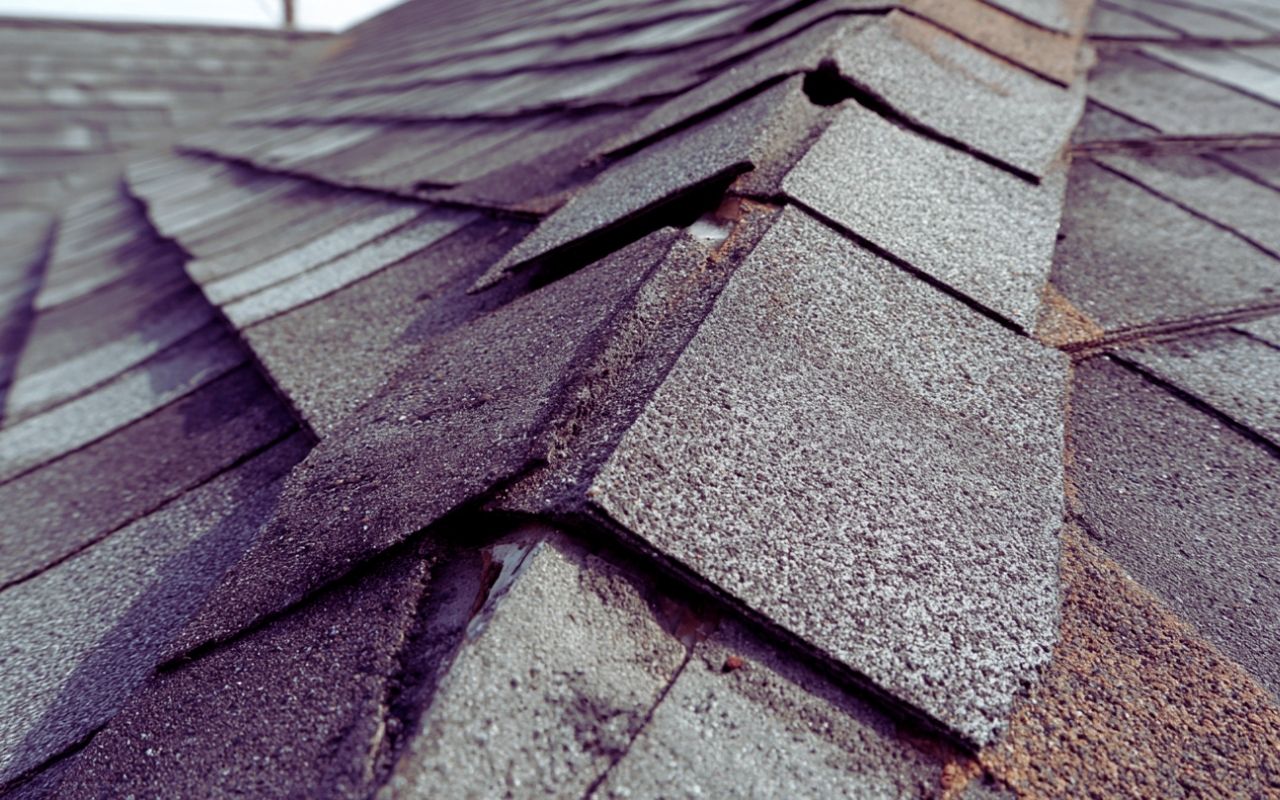
What causes roof valley flashing problems?
Roof valleys work hard to move water safely off your home, but when flashing fails, leaks and stains quickly follow. Understanding roof valley flashing problems early helps you avoid rotten decking, mold, and expensive interior repairs. This guide explains warning signs, causes, and practical fixes so you can protect your roof with confidence in every season, from storms to snow.
What causes roof valley flashing problems?
Most roof valley flashing problems come from poor installation, damaged metal, clogged debris, or failed underlayment and ice & water shield. These weak points let concentrated water slip under shingles, soak the roof deck, and show up as ceiling stains or attic leaks, especially during heavy rain or snowmelt.
Importance of roof valley flashing
Roof valleys collect and channel large volumes of water, so flashing here acts as a critical barrier. When it is sized, lapped, and sealed correctly, water is guided into gutters instead of under shingles. This protection helps prevent a leak at valley sections that could damage insulation, drywall, and structural framing.
Well-installed flashing, underlayment, and ice & water shield work together as a layered defense. Even if wind drives rain sideways or snow melts and refreezes, these components reduce the chance of water reaching exposed wood. That means fewer emergencies, fewer repairs, and a longer-lasting roofing system.
Common Roof Valley Flashing Problems
Because valleys constantly handle runoff, they wear out faster than many other roof areas. Small issues can quickly escalate into a leak at valley joints if they are not addressed promptly.
- Loose or warped metal: Flashing that lifts or bends creates gaps where water can slip underneath.
- Corrosion and pinholes: Rusted metal eventually develops small holes that allow steady drips into the attic.
- Debris buildup: Leaves and branches trap moisture and force water sideways under shingles.
- Insufficient overlap: Short flashing pieces or poorly lapped seams leave unprotected sections.
- Poor transitions: Awkward joints near dormers, chimneys, or skylights often become leak points.
Catching these defects early makes repairs simpler and less expensive.
Identifying roof valley issues early
Early detection is your best defense against major interior damage. Regular visual checks from the ground and from inside the attic go a long way.
- Ceiling stains: Brown rings or peeling paint below a valley often signal a slow, ongoing leak.
- Damp insulation: Wet or compressed insulation beneath a valley shows water is reaching the attic.
- Daylight or gaps: Visible openings around the valley when you inspect the attic are a red flag.
- Cracked or curling shingles: Distorted shingles along the valley edges indicate water is not draining correctly.
- Moss or algae streaks: Persistent moisture lines often follow the path of hidden leaks.
If you see more than one of these signs, schedule a professional inspection as soon as possible.
Inadequate underlayment: causes and solutions
Underlayment is the backup layer that sits between your shingles and the roof deck. When it is thin, torn, or incorrectly installed, even good flashing can end up overwhelmed. Skipped overlaps, minimal fasteners, or low-quality materials leave the valley more vulnerable.
Upgrading to a modern synthetic underlayment greatly improves water resistance. During repair, your roofer will remove shingles, replace compromised underlayment several feet on each side of the valley, and ensure proper overlaps. This creates a tighter seal beneath the visible roofing and supports the performance of the ice & water shield above it.
Failing ice & water shield: signs and fixes
The ice & water shield is a self-adhering membrane that protects high-risk zones like valleys and eaves. Over time, heat, UV exposure, or movement in the roof deck can cause it to crack, lose adhesion, or pull away from corners.
Warning signs include peeling edges, brittle patches, or exposed wood along the valley line once shingles are lifted for inspection. Fixing the issue usually involves carefully removing old material, preparing a clean, dry surface, and installing a new membrane that extends well past the valley centerline before reinstalling shingles or metal flashing.
Repair steps for damaged roof valleys
Whether you tackle minor work yourself or hire a pro, it helps to understand the basic repair steps used to address a leak at valley locations.
Typical repairs follow this sequence:
- Remove debris and carefully lift or remove shingles on both sides of the valley.
- Inspect the roof deck, underlayment, and existing flashing for rot, cracks, or gaps.
- Replace damaged decking, then install new underlayment and fresh ice & water shield.
- Fit new valley flashing with proper overlaps and fasteners outside the main water path.
- Relay shingles, trim to fit the valley pattern, and seal nail heads and small gaps.
When these steps are done correctly, the valley can reliably move water off the roof again.
DIY vs professional roof valley repair
Homeowners who are confident on ladders and familiar with basic tools can often handle simple tasks such as removing debris, sealing small gaps, or replacing a few damaged shingles near a valley. These light repairs may buy time and stop minor drips.
However, full valley replacement, structural repairs, or extensive underlayment work are best handled by a qualified roofer. If you live nearby and suspect structural damage or widespread leaks, consider scheduling roof repair in Prince William County, VA with a licensed team that understands local weather conditions and building codes.
Maintaining your roof valley flashing
Consistent maintenance can add years of life to your valleys and prevent sudden leaks. Plan seasonal checkups, especially after storms, heavy wind, or snow.
- Clear debris: Gently remove leaves, branches, and dirt so water flows freely down the valley.
- Check fasteners: Look for popped nails or missing fasteners that allow flashing to shift.
- Inspect sealant: Reseal small cracks around seams and nail heads with high-quality roofing sealant.
- Watch the shingles: Replace cracked, broken, or sliding shingles along the valley edges.
- Monitor underlayment and membranes: During any repair, confirm that underlayment and ice & water shield remain intact.
For homeowners planning full replacements, coordinating maintenance with a future roof installation in Spotsylvania County, VA can ensure valleys are built to handle long-term weather exposure.
How to fix a minor leak at a roof valley
If the roof deck is sound and the leak at valley areas seems recent, a focused repair can sometimes stop the problem before major damage occurs.
- Locate the exact source of moisture from the attic side and mark the area.
- On a dry day, access the roof, remove nearby debris, and gently lift shingles above the suspected leak.
- Check for small holes, loose nails, or hairline cracks in the flashing.
- Seal minor gaps with compatible roofing sealant and replace any cracked shingles.
- Monitor the area during the next storm to verify that the leak has stopped.
If the leak returns or you discover soft or rotten wood, it is time to request a full inspection through the contact form so a specialist can propose long-term repair steps.
Frequently Asked Questions
Should I repair or replace my roof if the valley is leaking?
It depends on the age and overall condition of your roof. If the rest of the system is in good shape, targeted valley repairs are usually enough. When shingles are near the end of their lifespan, combining valley work with a new roof installation in Prince William County, VA can be more cost-effective.
How fast should I act on a leak at valley areas?
Very quickly. Valley leaks often travel along framing and can damage insulation and drywall before you notice stains. Once you see spots on ceilings or find damp insulation, schedule a professional inspection using the contact page so repairs can be planned before structural issues appear.
Can new underlayment and ice & water shield stop recurring valley leaks?
Yes, in many cases. Upgrading to modern underlayment and a properly installed ice & water shield greatly reduces the chance of repeat leaks. A roofing specialist will evaluate the deck, flashing, and membranes together to recommend the right combination of materials and repair steps for long-term protection.
Is it safe to attempt roof valley repairs myself?
Only if you are completely comfortable working at heights and understand basic roofing practices. Even then, limit DIY work to cleaning debris and small sealant touch-ups. For anything involving new flashing, extensive underlayment replacement, or structural repairs, hire a professional to avoid injury and future leaks.
How much does roof valley repair typically cost in Virginia?
Costs vary based on roof pitch, access, materials, and the extent of damage. Simple resealing is relatively inexpensive, while full valley replacement with new decking, underlayment, and flashing is more involved. The best way to get accurate pricing is to request a tailored estimate through the contact page.
Cost-effective solutions for roof valley leaks
Not every issue requires a full tear-off. Sometimes, the most economical approach is to target the specific section actually causing roof valley flashing problems instead of replacing an entire slope. This might include splicing in new flashing, patching damaged underlayment, or reinforcing a small area of the deck.
Choosing durable materials like synthetic underlayment and high-quality metal flashing may cost a bit more initially but usually pays off through fewer callbacks and a longer service life. Your contractor can walk you through repair steps that balance budget, performance, and future maintenance needs.
Ensuring longevity and integrity of your roof
Consistent inspections, timely maintenance, and prompt attention to leaks are the keys to preventing future roof valley flashing problems. By understanding how underlayment, ice & water shield, and flashing work together, you can spot weaknesses early and take action before they reach your living space.
Partnering with an experienced roofer for periodic evaluations and strategic upgrades keeps your home better protected. Whether you need a targeted repair, a new valley system, or a full replacement, investing in quality workmanship today helps avoid costly surprises in the years ahead.
References
- 6 Ways to Eliminate Ice Dams in Your Gutters – The Kansas City Star.
- Do Icicles on Your Roof Indicate Poor Attic Insulation? – Better Homes & Gardens.