
Which flat roof membrane fits Virginia’s climate?
Choosing the right flat roofing system for Virginia properties can feel complex. Hot, humid summers, sudden storms, and chilly winters all test your roof. This guide compares TPO, EPDM, and PVC options, explaining performance, cost, and maintenance so you can invest confidently and protect your home or business for the long term. It simplifies every major flat roof decision today.
Which flat roof membrane fits Virginia’s climate?
TPO and PVC typically perform best for cooling in Virginia’s hot, humid summers, while EPDM shines for cold-weather flexibility and value. This TPO vs EPDM vs PVC Virginia Climate overview compares durability, installation, and operating costs so you can match the membrane to your roof design, budget, and long-term performance goals.
Key factors for flat roofs in Virginia’s weather
Virginia’s mix of steamy summers, freeze–thaw winters, and strong thunderstorms makes material choice critical. When you plan a TPO vs EPDM vs PVC Virginia Climate comparison, you must weigh temperature swings, UV exposure, and heavy rain against long-term performance and warranty coverage.
- Heat and UV: Long, sunny summers demand membranes that resist UV damage and help keep interiors cooler.
- Freeze–thaw cycles: Winter temperature swings can stress seams and attachments on low-slope roofs.
- Moisture and storms: Wind-driven rain and standing water require watertight seams and robust drainage.
- Local codes and warranties: Code requirements, uplift ratings, and warranty terms should guide product choice.
- Contractor expertise: Skilled local installers are essential for high-performing flat roofing membranes.
Pairing the right membrane with reliable local installation, such as Roof installation in Prince William County VA, helps your new system withstand Virginia’s changing seasons.
What is TPO roofing and how does it work?
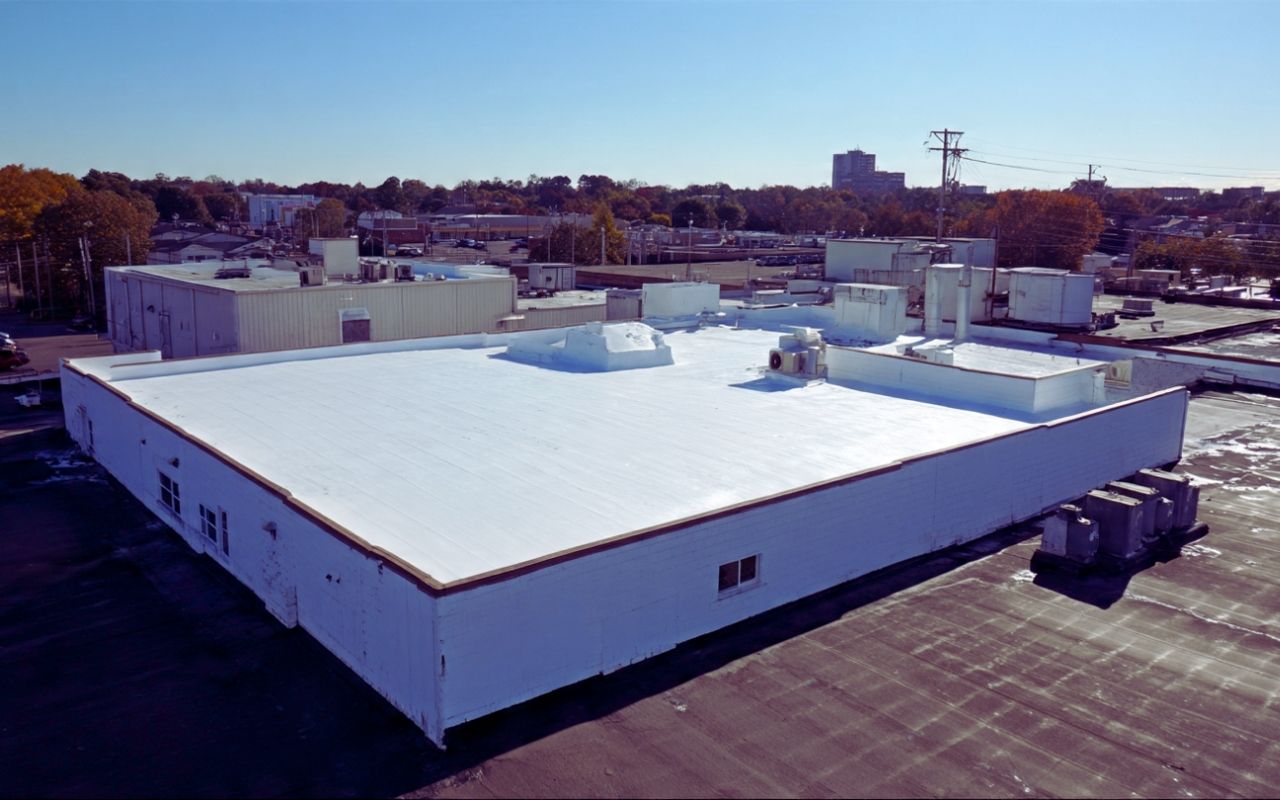
TPO (thermoplastic polyolefin) is a single-ply membrane made from a blend of rubber and plastic. It is installed in rolls and heat-welded at the seams to form a watertight surface. Its light-colored top layer reflects sunlight, helping reduce rooftop temperatures and improve energy efficiency on hot Virginia days.
TPO is widely used on commercial buildings and newer residential flat roofs. It offers a clean, modern appearance and can be installed over properly prepared substrates or recover systems when conditions allow, reducing disruption for property owners.
Pros and cons of TPO roofing in Virginia
- Advantages: TPO is lightweight and relatively quick to install, which can lower labor costs. Its reflective surface supports better energy efficiency in summer, and many systems include extended manufacturer warranties. Chemical and UV resistance help maintain performance as long as seams are properly welded and inspected.
- Disadvantages: Membrane quality can vary by brand, and lower-grade products may age faster under intense sun. Skilled installation is vital, because poorly welded seams are more likely to fail under thermal movement. Although TPO sits in a mid-level cost range, specialized repairs and equipment can increase lifetime expenses if maintenance is neglected.
For Virginia properties prioritizing cooler interiors and controlled operating costs, TPO is often the first option reviewed in any TPO vs EPDM vs PVC Virginia Climate decision.
What are EPDM roofing membranes?
EPDM (ethylene propylene diene monomer) is a synthetic rubber membrane with decades of proven performance on flat and low-slope roofs. It is typically installed in large sheets, which reduces the number of seams and potential leak points. EPDM’s flexible rubber composition helps it handle building movement and temperature changes.
The membrane is usually black, which means it absorbs heat. That can slightly reduce heating costs in cooler months but may increase cooling demands during hot Virginia summers unless you add a reflective coating or ballast. EPDM is often one of the most budget-friendly single-ply options for large roofs.
Advantages and disadvantages of EPDM in Virginia
EPDM’s biggest strengths are its long track record and elasticity. With proper installation and care, many EPDM roofs deliver a competitive lifespan while handling the freeze–thaw cycles common in Virginia. Simple repair methods and widely available materials also support long-term serviceability.
On the other hand, the dark surface can raise rooftop temperatures, making EPDM less attractive where summer cooling demand is a major concern. Adhesive-bonded seams must be inspected regularly, since aging adhesives can lead to leaks if maintenance is delayed. Color choices are limited, so coatings are often needed to achieve a lighter surface.
EPDM may be ideal for owners focused on up-front savings and proven durability, especially when combined with strategic seasonal upkeep like Fall roof maintenance in Virginia.
What is PVC roofing and where does it excel?
PVC (polyvinyl chloride) is a plastic-based single-ply membrane known for strong chemical resistance and durable heat-welded seams. Installers weld the overlaps with hot air, creating a monolithic barrier that is especially useful where grease, oils, or industrial emissions are present.
PVC is usually offered in light colors, including bright white, which can significantly decrease rooftop temperatures and cooling loads. It often sits in a higher cost range than other flat roofing membranes but provides robust performance and long service life when installed and maintained correctly.
PVC roofing performance in Virginia’s climate
PVC performs especially well in Virginia locations with high sun exposure and heavy summer cooling demand. Its reflective surface helps control interior temperatures, and the rigid, reinforced membrane resists punctures and hail better than many thinner materials.
Because PVC is more rigid than EPDM, careful detailing is important where the roof transitions to parapets, curbs, and penetrations. Well-designed fastening and expansion details help the system handle the thermal movement that comes with hot summers and cool winters across the state.
For properties that require strong chemical resistance or plan to add rooftop equipment, PVC is often a top contender in any TPO vs EPDM vs PVC Virginia Climate evaluation.
Comparing lifespan, durability, and cost range
When properly installed and maintained, TPO, EPDM, and PVC can each deliver competitive service lives. The best choice depends on your roof’s size, use, and exposure conditions, as well as your comfort with initial versus long-term spending.
- EPDM: Often the lowest initial cost, especially on large footprints, with a strong reputation for long-term performance when seams and flashings are maintained.
- TPO: Typically mid-range in cost, designed to balance energy savings and durability, with reflective surfaces that help manage summer cooling costs.
- PVC: Usually the highest initial cost range but offers excellent chemical resistance, puncture strength, and cool-roof performance that can offset expenses over time.
Discussing your goals with a local flat roofing specialist can clarify which membrane offers the best value for your specific building and budget.
Energy efficiency of TPO, EPDM, and PVC in Virginia
Energy performance is often the deciding factor for flat roofs in Virginia’s hot, sunny climate. White or light-colored TPO and PVC membranes reflect a significant portion of solar radiation, helping buildings stay cooler and reducing air-conditioning loads. This can improve comfort and lower utility bills over the roof’s life cycle.
Traditional black EPDM absorbs more heat, which is beneficial for winter heating but may increase cooling costs unless a reflective coating, paver system, or light-colored membrane variant is used. Regardless of the membrane, investing in quality insulation beneath the roof deck is essential for stable indoor temperatures and long-term efficiency.
Frequently Asked Questions
How much does TPO, EPDM, or PVC roofing cost in Virginia?
Installed pricing varies with roof size, complexity, and insulation, but EPDM generally offers the lowest starting cost, TPO falls in the middle, and PVC is often at the higher end. To get numbers tailored to your building, you can request a detailed roofing estimate from a local specialist.
Which membrane is best for energy efficiency in Virginia’s summers?
Light-colored TPO and PVC usually deliver the strongest cooling benefits because they reflect more sunlight. EPDM can also perform well when combined with suitable insulation and a reflective coating system. A local contractor can model projected savings for your roof and help you prioritize energy goals versus budget.
What is the typical lifespan of these flat roofing membranes?
Most modern systems are engineered for service lives in the 20–30 year range when installed and maintained correctly. Actual results depend on membrane thickness, roof design, drainage, and maintenance habits. Scheduling regular inspections along with seasonal services such as Fall roof maintenance in Virginia helps protect that lifespan.
Can I use these membranes on residential homes in Prince William or Spotsylvania County?
Yes. Single-ply systems are widely used on residential flat and low-slope roofs. Working with a company experienced in local homes, like those offering Roof installation in Prince William County VA and Roof installation in Spotsylvania County VA, ensures your roof structure, drainage, and insulation are all compatible with TPO, EPDM, or PVC.
How do I decide between TPO vs EPDM vs PVC for my Virginia property?
Start by ranking your priorities: up-front cost, long-term operating expenses, chemical exposure, and maintenance preferences. Then compare how each membrane performs against those needs. A customized TPO vs EPDM vs PVC Virginia Climate consultation with a trusted roofer can combine technical data with on-site evaluation to recommend the best match.
How to choose the right flat roofing membrane in Virginia
- Assess your building: Confirm roof slope, existing layers, drainage, and structural capacity.
- Define goals: Decide how you weigh budget, expected lifespan, and comfort inside the building.
- Evaluate climate demands: Consider sun exposure, prevailing winds, and local storm patterns.
- Compare membrane options: Review how TPO, EPDM, and PVC perform on similar buildings in your area.
- Review warranties: Look at coverage length, wind ratings, and maintenance requirements.
- Get professional guidance: Use a local contractor’s inspection and proposal to finalize your choice and schedule installation.
References
- Single-Ply Roofing Best Practices: Doing Everything Right the First Time – Roofing Magazine
- Thermoset Versus Thermoplastic Membranes: What’s the Difference? – FacilitiesNet