
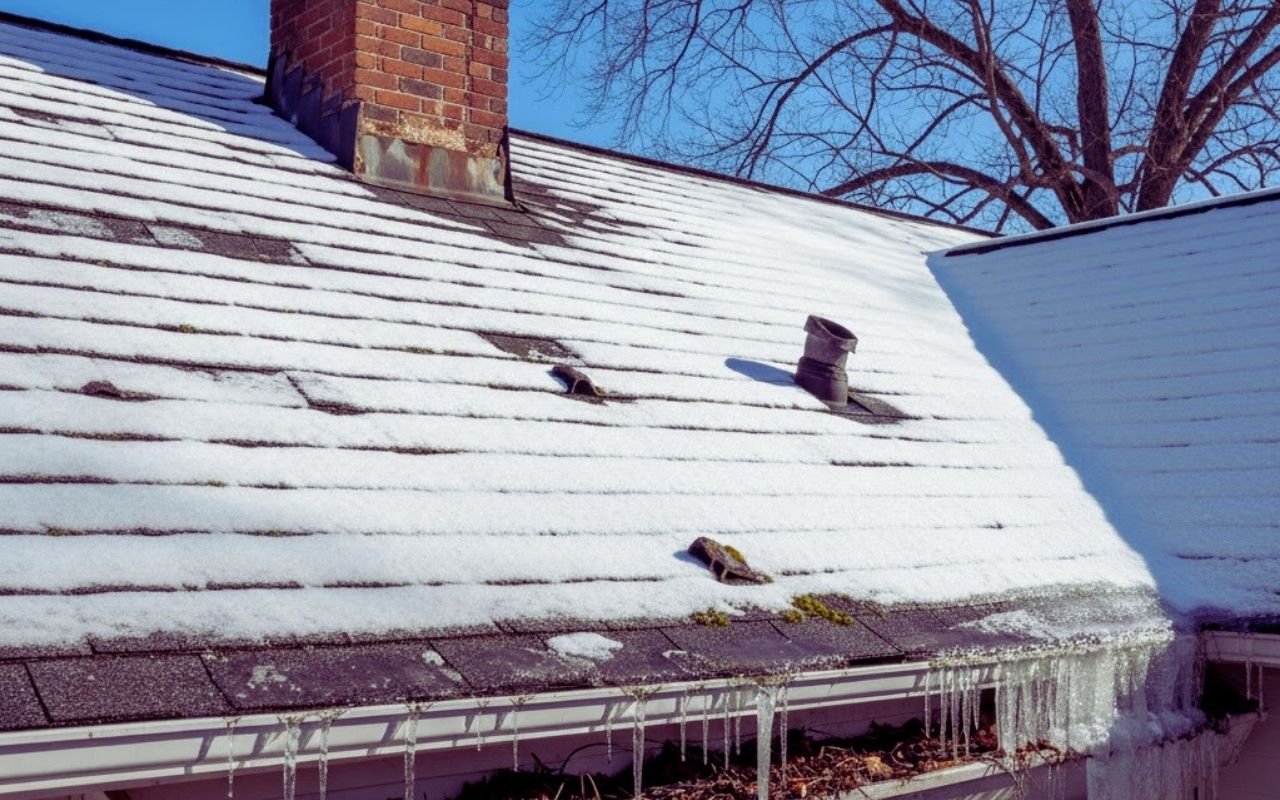
What is a winter roof inspection checklist in Virginia?
Cold Virginia winters can be beautiful, but they can also punish an unprepared roof. This Winter Roof Inspection Checklist in Virginia helps homeowners spot problems before snow, ice, hail, and wind cause expensive leaks. With a clear winter roofing checklist, you’ll protect comfort, energy efficiency, and property value while avoiding last-minute emergency repairs. This homeowner guide keeps winter stress away.
What is a winter roof inspection checklist in Virginia?
This seasonal roof checklist for Virginia homeowners is a simple, structured way to confirm your roof is ready for snow, ice, hail, and wind. It walks you through shingles, flashing, gutters, insulation, and attic ventilation so you can quickly spot issues, document them, and decide which repairs require a licensed roofing professional.
Why are winter roof inspections important?
Using a Winter Roof Inspection Checklist in Virginia turns roof care into a proactive routine instead of an emergency reaction. Winter storms can magnify small problems into expensive leaks or structural damage, so checking early protects both comfort and budget.
- Catch minor damage early: Small cracks, loose shingles, or worn flashing are easier and cheaper to repair before snow and ice arrive.
- Prevent interior water damage: Ice dams and hidden leaks can stain ceilings, ruin drywall, and soak insulation if problems go unnoticed.
- Improve energy efficiency: A tight, well-insulated roof reduces heat loss, keeps rooms more comfortable, and lowers winter utility bills.
- Protect structural integrity: Snow load, wind uplift, and hail impact are less risky when weak spots have been repaired in advance.
- Support insurance claims: Photos and notes from your winter roofing checklist can help document pre- and post-storm conditions.
How does Virginia’s winter climate affect your roof?
Virginia’s winters vary widely, from coastal sleet and cold rain to heavy mountain snow and strong valley winds. That mix makes your roof vulnerable in different ways depending on where you live.
Freeze-thaw cycles let melted snow seep into tiny gaps, then expand as it refreezes, widening cracks in shingles, flashing, and sealants. Wind-driven rain and sleet can work under lifted tabs, while hail impact may bruise shingles in ways that only a focused hail/wind inspection will reveal.
Adapting your homeowner guide to local conditions—whether you live near the Blue Ridge, in Northern Virginia suburbs, or closer to the coast—helps you prioritize what to check first and when to schedule professional support.
Key signs of roof damage to check before winter
Before storms hit, a careful visual scan helps you identify damage that should go straight onto your winter roofing checklist.
- Shingle issues: Cracked, curled, missing, or visibly bruised shingles (often from past hail) expose the underlayment and shorten roof life.
- Flashing problems: Rust, gaps, or bent flashing around chimneys, skylights, and vents are common leak entry points during snowmelt.
- Damaged roof valleys: Debris, granule buildup, or sagging areas where roof planes meet can lead to standing water and ice dams.
- Edge and eave gaps: Spaces where light shows through or materials look chewed may indicate animal activity and potential water entry.
- Interior warning signs: Discolored ceilings, peeling paint, or musty smells under the roof often point to slow, ongoing leaks.
DIY roof inspection tips for Virginia homeowners
Safety comes first. Choose a dry, calm day, use a sturdy ladder on level ground, and wear non-slip shoes. If at any point you feel unsafe, stop and call a professional instead of risking a fall.
Walk the perimeter of your home and use binoculars to inspect the roof surface without climbing up. Look systematically from one corner to the other so you don’t miss sections. Take clear photos of anything suspicious—missing shingles, sagging lines, damaged flashing, or blocked valleys—to track changes over time.
Check gutters and downspouts for leaves, branches, and shingle granules. From inside, inspect the attic with a flashlight, focusing on areas around chimneys, plumbing vents, and roof penetrations. Document everything in your homeowner guide so you can share it easily with a roofing contractor if repairs are needed.
Interior checks: leaks, water damage, and insulation
Checking for leaks and water damage
Look for water stains, bubbling or peeling paint, and dark patches on ceilings or upper-story walls. In the attic, search for damp wood, rusted nails, or mold on the underside of the roof deck. During or right after a storm, use a flashlight to spot active drips and trace them back to likely entry points.
Even small stains can signal bigger issues. Adding them to your notes ensures they’re addressed during the next professional visit instead of growing into major repairs later.
Addressing insulation concerns
Uneven or flattened insulation makes your heating system work harder and contributes to ice dams. In many parts of Virginia, attics perform best with insulation around R-38 or higher, with no noticeable gaps around recessed lights, pipes, or ductwork.
Replace any damp material and air-seal around openings using caulk or spray foam. Maintaining good airflow with baffles at the eaves helps keep the attic closer to outdoor temperature, reducing melt-and-refreeze cycles on the roof.
Clearing gutters and downspouts before freezing weather
Clogged gutters are one of the fastest ways to create winter roof problems. Leaves and debris trap water, which then freezes, expands, and can push water under shingles or over the gutter edge and down exterior walls.
Use gloves to remove debris by hand, then flush the system with a garden hose to confirm smooth flow. Check that downspouts discharge several feet away from the foundation to prevent basement leaks and frost-related damage. For ongoing protection, consider adding gutter guards as part of your long-term homeowner guide.
If you want a seasonal plan that starts earlier in the year, review this resource on fall roof maintenance in Virginia to coordinate autumn cleanup with winter preparation.
Preventative winter roof maintenance measures
Apply appropriate sealant around vents, chimneys, and flashing where you see cracking or gaps, following manufacturer guidance for cold-weather products. Trim overhanging branches that might snap under snow or ice and fall onto shingles, creating impact damage similar to a hail/wind inspection scenario.
For steep or metal roofs in parts of Virginia that receive heavier snow, snow guards or retention systems can prevent sudden “roof avalanches” that tear off gutters or damage walkways and landscaping. Combining these small tasks creates a strong, layered defense against winter storms.
Professional roof inspection services in Virginia
Even when you’re comfortable performing basic checks, a licensed roofer’s trained eye can catch problems that are easy to miss. Look for companies experienced with storm assessment and hail/wind inspection, and confirm they are insured and familiar with local building codes.
Professional teams often use tools such as moisture meters or infrared cameras to find hidden leaks and wet insulation. They can also advise when minor repairs are enough and when you should plan for larger work such as roof installation in Prince William County or roof installation in Spotsylvania County.
Keep a dedicated folder or digital file for inspection reports, photos, and invoices. Over time, this record becomes a powerful homeowner guide for budgeting, resale, and future insurance claims.
How to use this winter roof checklist step by step
To get the most value from your Winter Roof Inspection Checklist in Virginia, follow a simple, repeatable process each year.
- Download or print your Winter Roof Inspection Checklist in Virginia and gather basic tools (ladder, gloves, flashlight, binoculars).
- Walk the exterior first, then check the attic, marking each item completed and noting any problems you see.
- Prioritize issues by urgency, circling anything involving active leaks, structural concerns, or storm-related damage.
- Contact a roofing professional to evaluate items you’re unsure about or that require repair, sharing your photos and notes.
- Schedule follow-up reminders for next season so winter roof care becomes a predictable, low-stress habit.
Frequently Asked Questions
How often should I schedule a professional winter roof inspection?
Most homeowners benefit from a professional inspection once a year before the coldest months, or after any major hail or wind event. Use your own winter roofing checklist between visits to monitor changes and decide when to call a roofer again.
What should I do if I find a leak during a storm?
Place a bucket or container under the leak, protect belongings with plastic sheeting, and note exactly where the water appears. Then contact a licensed roofer through the contact page to arrange prompt assessment and repair.
Is it safe to remove snow or ice from my roof myself?
Climbing onto a snowy or icy roof is rarely safe. If snow buildup worries you, use a roof rake from the ground if possible, and avoid chipping at ice dams. For heavy accumulation, hire a professional experienced in cold-weather roof work.
Can a winter inspection help me plan for future roof replacement?
Yes. Detailed notes on shingle wear, granule loss, and recurring repairs turn your checklist into a planning tool. A trusted contractor can estimate remaining roof life and help you budget for a future replacement rather than facing a sudden emergency.
What should be my first step if I’ve never done a winter roof check?
Start by walking the perimeter of your home with this homeowner guide in hand, looking for obvious problems such as missing shingles or overflowing gutters. Then schedule a professional inspection to build a baseline and ask questions specific to your home and location in Virginia.
References
How To Prepare Your Roof for Winter – This Old House
Do I Need to Remove the Snow From My Roof? – The Spruce
Contact Brothers Exterior Corp in Virginia
If your checklist reveals issues or you simply want expert confirmation, connecting with a professional roofer is the safest next step. Share your notes, photos, and concerns through the contact form at Brothers Exterior Corp to schedule a tailored winter evaluation for your Virginia home.